
ZCC-CT
Cutting tools and product groups
Select the product group for the operation on your machine. If you have an insert or an ISO code, go straight to the guide for that insert family.
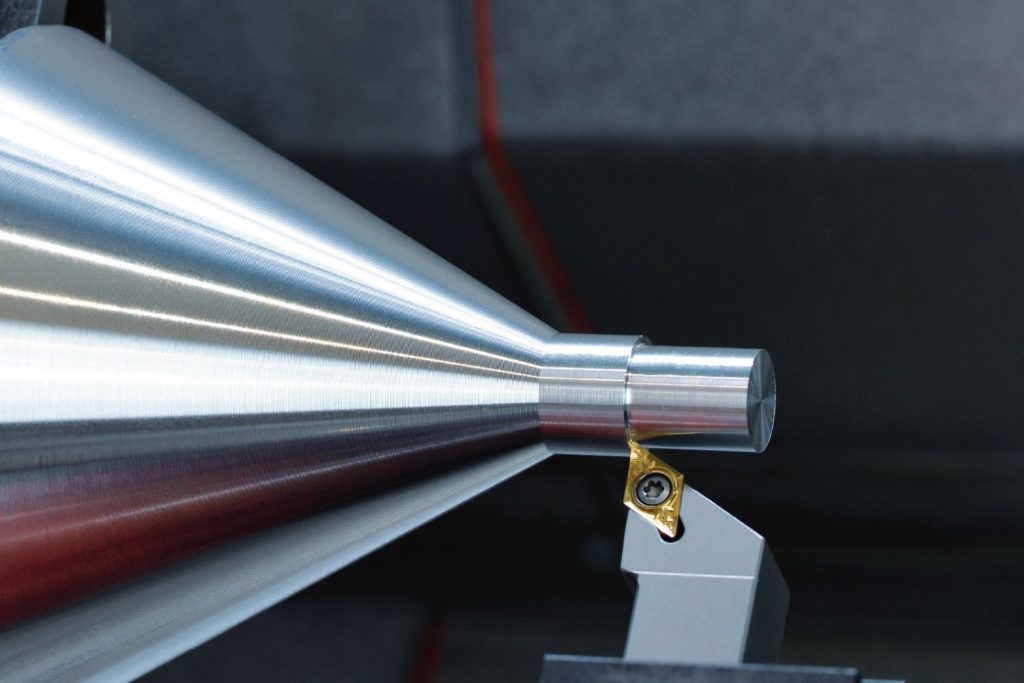
Turning
Compare turning, grooving and threading solutions for your part geometry.
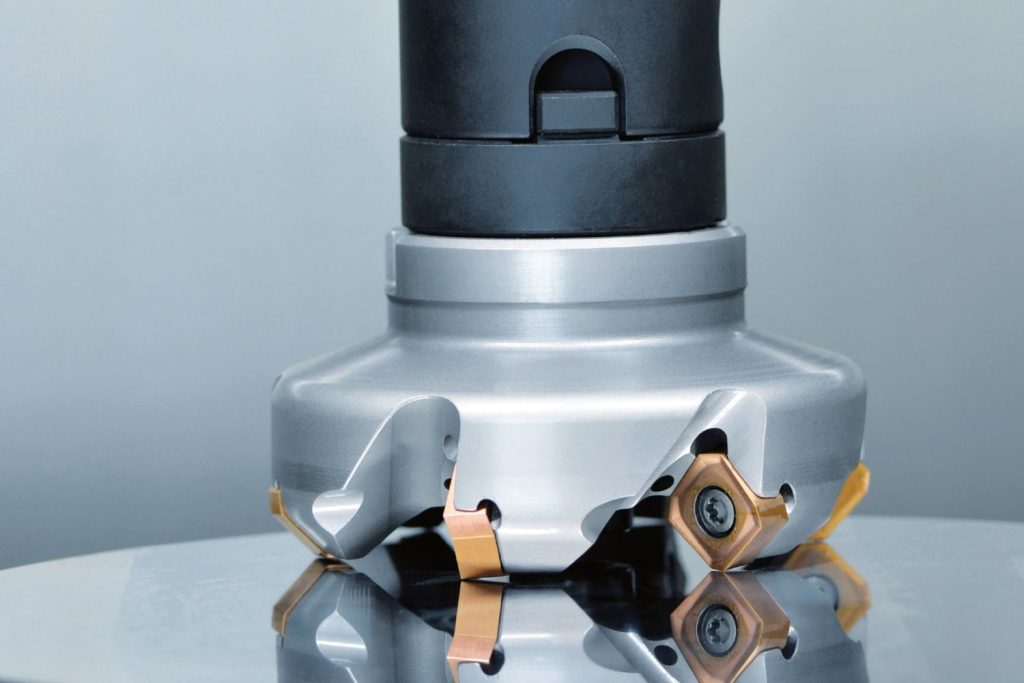
Milling
Explore indexable cutters and solid carbide tools for shoulder, face, slot and profile milling.
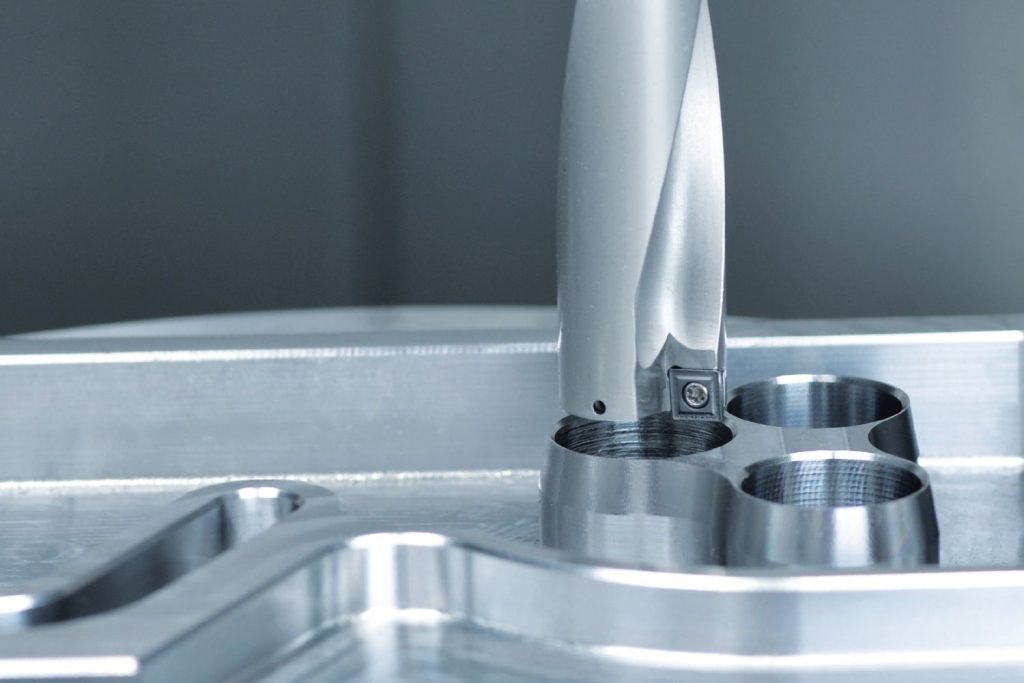
Holemaking
Choose drills, reamers and threading tools by hole diameter, tolerance and depth.
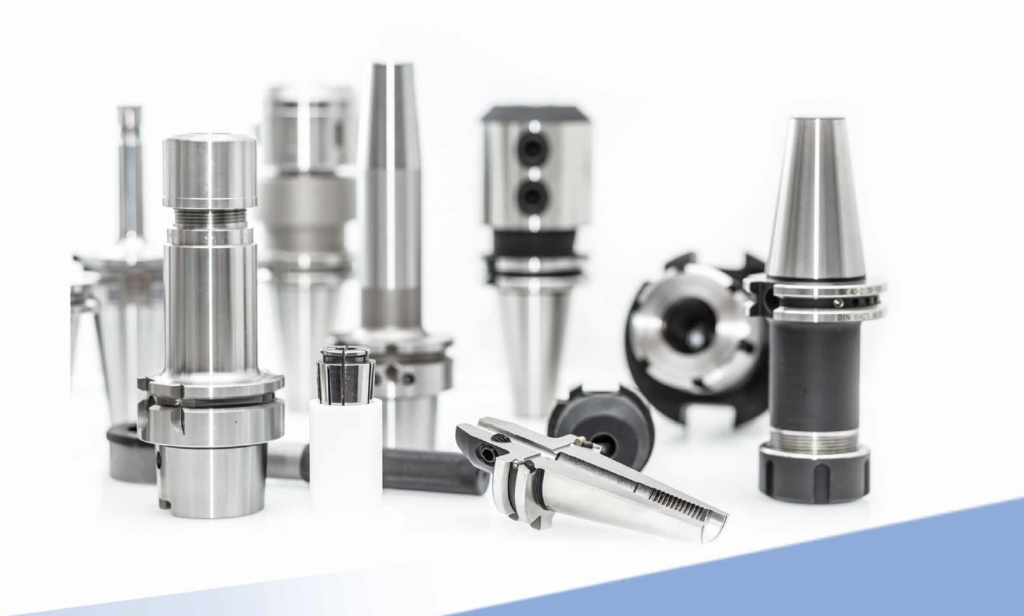
Tooling technologies
Check the machine interface and tool connection for torque control, modular boring bars and precision toolholders.
Select by insert type and code
Turning
Explore the insert family
Other inserts
Select an insert by operation
Tool selection by material
Workpiece material
Steel
For steels such as 4140, C45 and 16MnCr5, specify hardness and heat treatment condition. Material guide · CNMG code guide · VPM series · GD series
Workpiece material
Stainless steel
304, 316L and 17-4 PH require different machining conditions. The material subgroup and hardness both matter. Material guide · Turning inserts · Shoulder milling guide · UD series
Workpiece material
Cast iron
Whether the workpiece is grey or ductile cast iron, its casting skin and hardness affect tool selection. Material guide · Turning inserts · VPM series · GD series
Workpiece material
Aluminium
For 7075, 6061 and cast aluminium, consider alloy composition and chip formation together. Material guide · Turning aluminium · ALP / ALG series · Drilling guide
Workpiece material
Superalloys and titanium
Inconel 718 and Ti-6Al-4V are different materials. Check the tool and cutting data separately for each. Material guide · Turning guide · Compare milling series · Drill selection
Application and product guides
Guides
Browse by operation, material or series
Frequently asked questions
Are so-called “diamond” inserts actually made of diamond?
No. In Turkish workshop terminology, “elmas” (diamond) commonly means a cemented carbide insert. Inserts can be described by shape, including rhombic, triangular, leaf-shaped and round. Actual diamond inserts (PCD) are a separate, specialist group.
How do I choose a suitable cutting insert?
Start with three questions. Which operation: turning, milling, grooving or threading? Which material: steel, stainless steel, aluminium or a superalloy? Roughing or finishing? Send us these details and we can suggest an insert, grade and chipbreaker with stock information.
How can I decode the insert I have?
Read the code according to ISO 1832. Letters identify the shape and mounting type, digits indicate dimensions and corner radius, and the suffix identifies the chipbreaker. For a step-by-step explanation, see our CNMG code guide .
How can I check that a ZCC-CT product is genuine?
Toksan, ZCC-CT’s distributor for Türkiye, has supplied products and technical support since 2004. Before ordering, you can confirm the full product code, package label, stock status and warranty terms.
Which cutting inserts does Toksan offer?
The range includes cutting inserts for turning, milling, grooving, threading and drilling.
How do I choose a turning insert for steel?
Determine the combination from the material, cutting parameters and required surface finish.
How do micro end mills and ball-nose cutters differ?
Micro end mills machine small-diameter details. Ball-nose cutters are preferred for three-dimensional surfaces.
When is a long carbide drill advantageous?
In deep precision holes, it reduces deviation and helps maintain the required tolerance.
Why choose a material-specific insert?
The right insert extends tool life, improves surface finish and reduces costs.
Technical support
Share your part drawing, workpiece material and current tool code for help selecting a product.