
ZCC-CT
Turning tools
Select the turning insert, holder and cutting conditions for your part. Find application guides and 2026 PDF catalogues for three operations here.
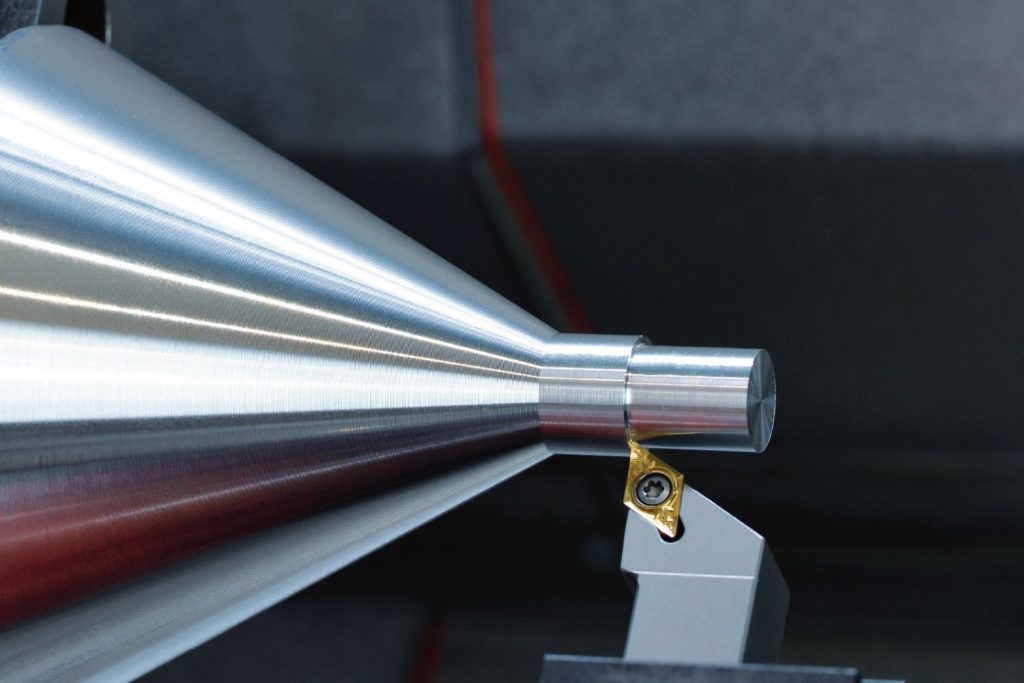
General turning
In external turning, facing and profiling, the part contour determines the insert shape. For roughing, assess edge strength. For finishing, consider how feed and nose radius affect the surface.
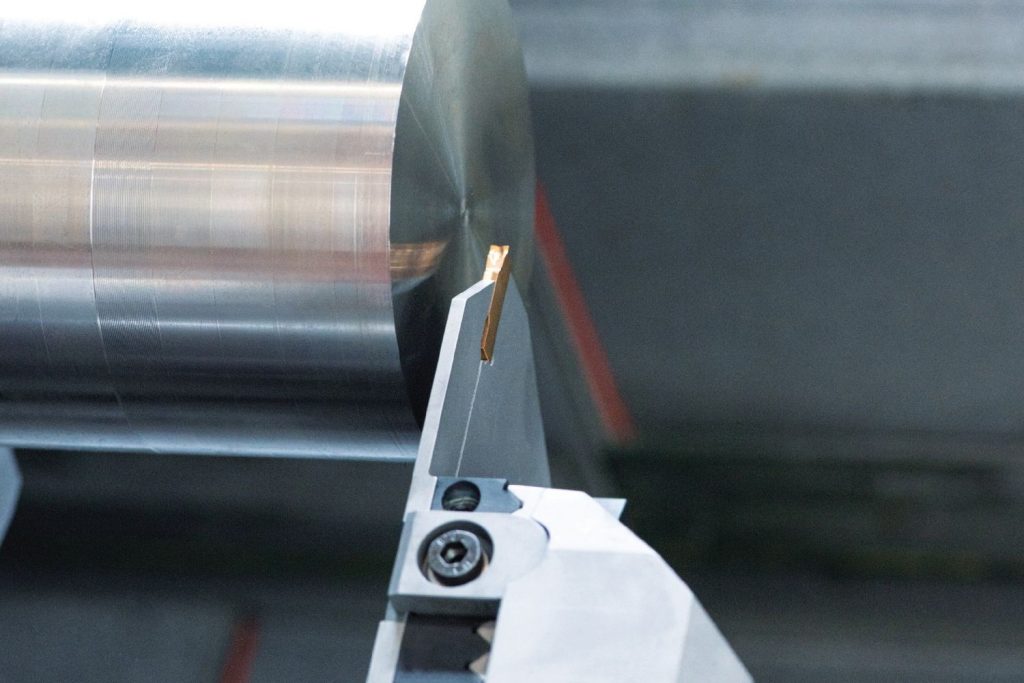
Grooving and parting off
Groove width, depth and location determine the insert and holder. When parting off, check the parting diameter, overhang and chip evacuation from the groove together.
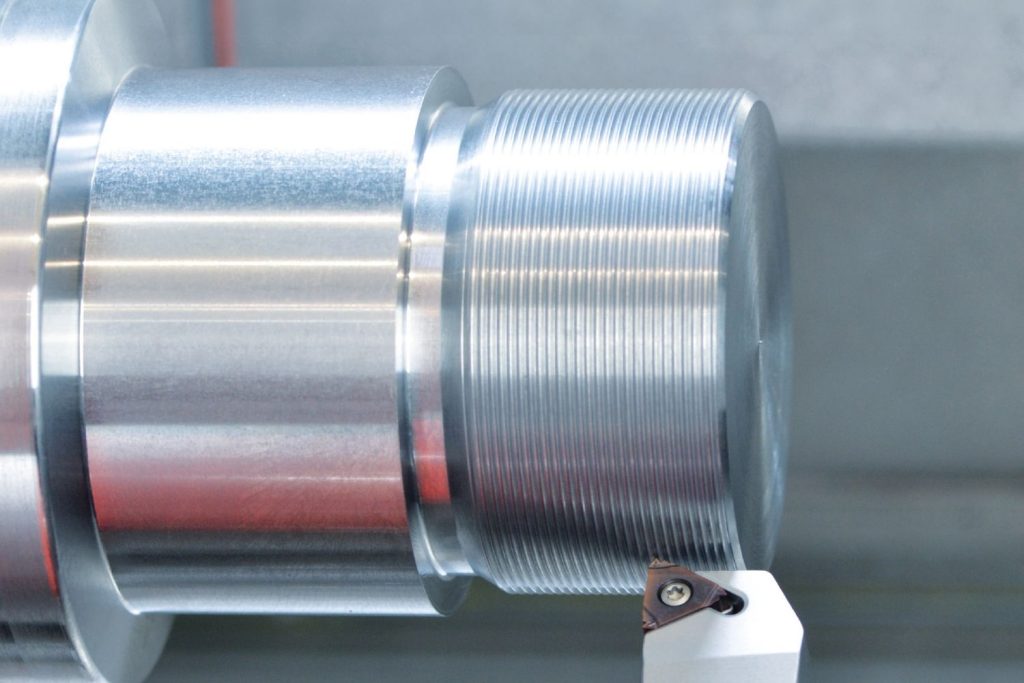
Threading
Identify the thread standard, pitch and internal or external thread. Full-profile inserts are specific to one pitch. For a partial-profile insert, check pitch range and premachined diameter.
How to select a turning tool
Workpiece
Material and hardness
Identify the material standard and, if applicable, hardness after heat treatment. For the same outside diameter, for example, steel and stainless steel may require different insert grades and chipbreakers.
Cutting insert
Geometry and holder compatibility
For the existing turning insert check its ISO code, holder pocket and clamping system. Corner angle affects access to the profile. Nose radius affects the surface and radial force.
Cutting conditions
Speed, feed and depth of cut
Read the catalogue ranges for cutting speed (m/min), feed (mm/rev) and radial depth of cut (mm) together for the selected insert and material. Allow for interrupted cuts and long overhangs.
Frequently asked questions
Which dimensions are needed if internal turning causes chatter?
Measure the smallest bore diameter, hole depth, bar diameter and free length from the clamping point to the tip. These values help select a bar with adequate chip clearance.
Is groove width enough to select a grooving insert?
Depth and bottom radius are also required. Internal, external and face grooves need different holders. If reusing a grooving insert also check that it matches the pocket.
How should I specify thread pitch?
For metric threads, state pitch in millimetres. For inch threads, state threads per inch (TPI). Threading inserts selection also requires the thread standard, hand and whether it is internal or external.
Which industries does Toksan supply with cutting tools?
Toksan offers solutions for automotive, aerospace, mould and die making, energy, general engineering and the medical sector.
How should I select turning and milling inserts?
Determine a suitable tool combination by analysing material, cutting parameters and required surface finish.
When is a long carbide drill preferable?
It provides rigidity in deep precision holes and improves dimensional accuracy.
Why use different inserts for stainless steel and cast iron?
Each material cuts differently. Insert selection directly affects tool life and surface finish.
How does Toksan technical support contribute to production?
Choosing the right tool and optimising parameters improve productivity, reduce costs and support process reliability.
Tool selection for your part
Share the material standard, dimensions to be machined and codes for the insert and holder in use, if available. Our technical team can help assess options.