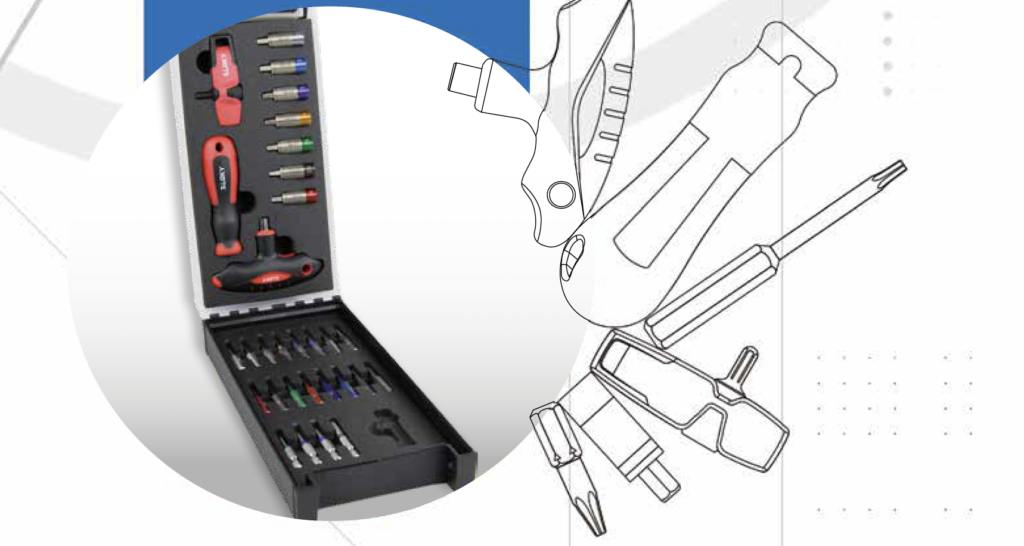
Match the insert screw to the manufacturer’s tightening torque and the appropriate driver bit. Check the screw type and torque range before choosing the set.
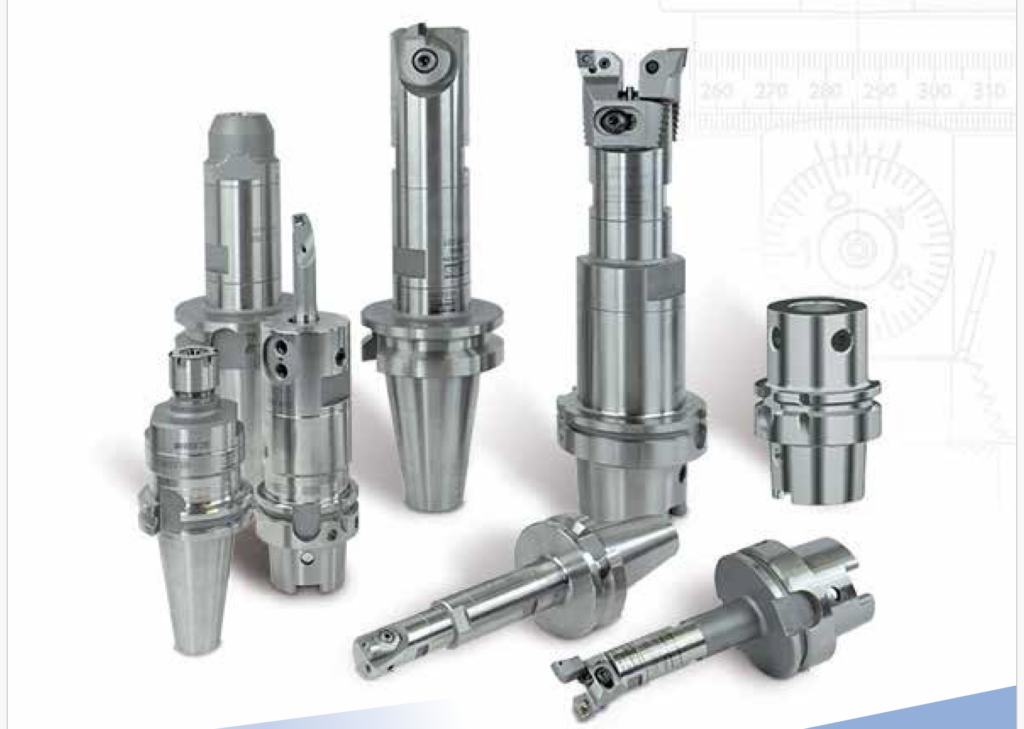
Verify the spindle interface first, then the tool shank diameter and reach. When choosing a clamping method, consider runout and torque transmission requirements.
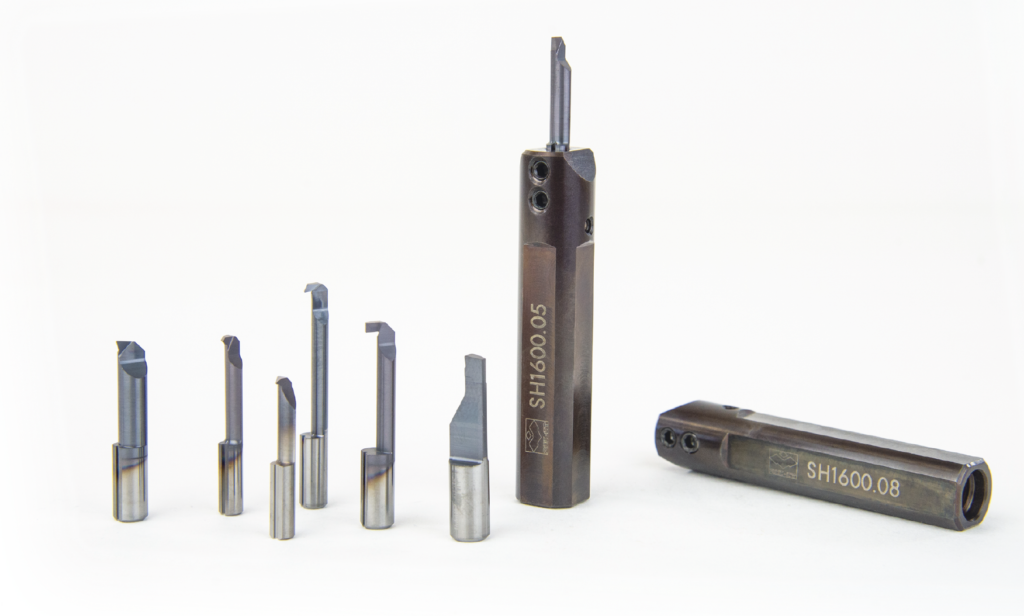
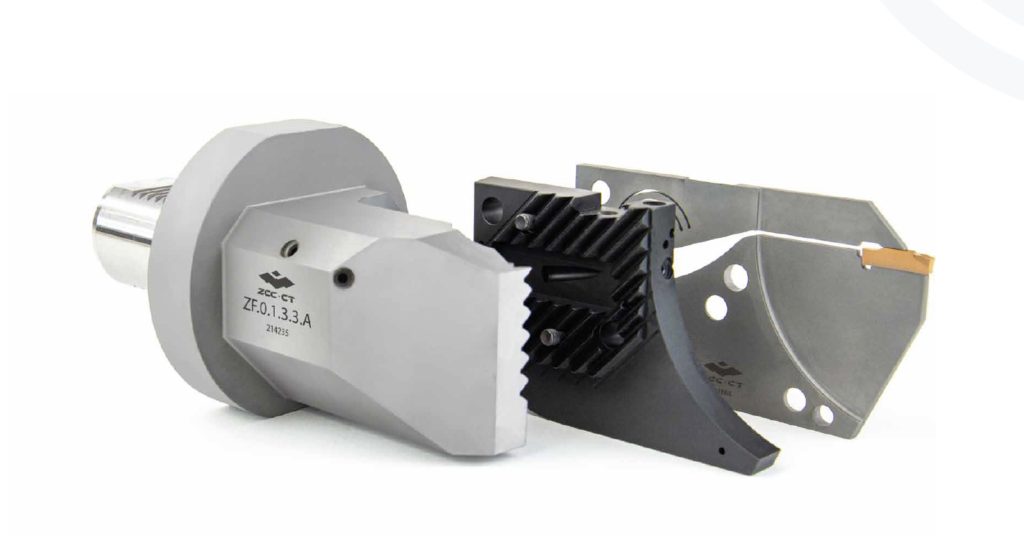
Match the modular body and cartridge to the groove direction, width and depth. Check the catalogue to confirm that the insert seat and cartridge code belong to the same family.
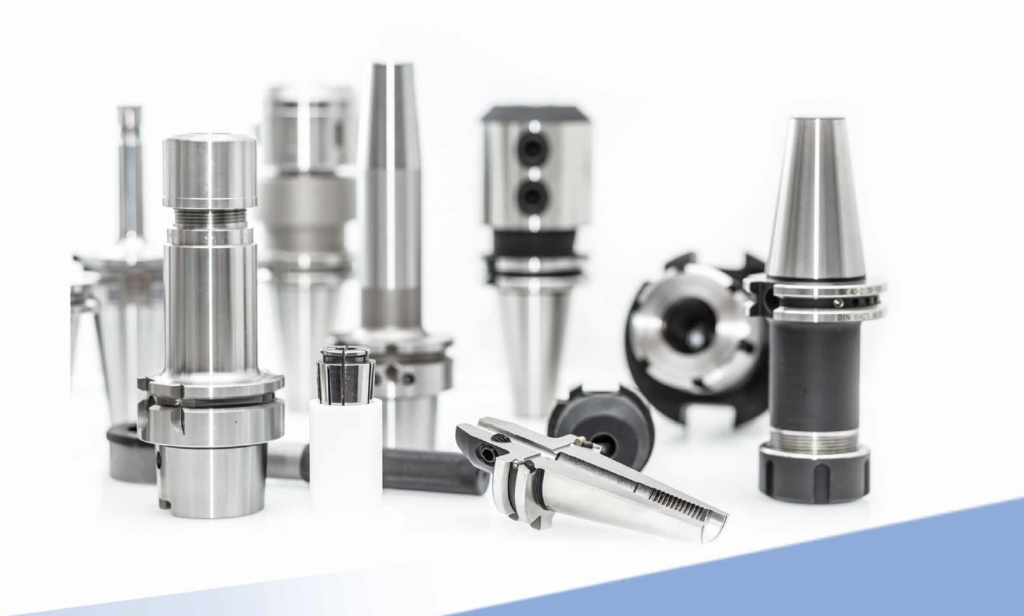
Specify the spindle standard, taper size and shank of the tool to be clamped. Two holders with the same nominal diameter can have different interfaces.
Dimensions
Reach and unsupported length
Check the reach and clearance required to avoid collisions. The shortest overhang the application allows improves rigidity.
Assembly
Clamping and cooling
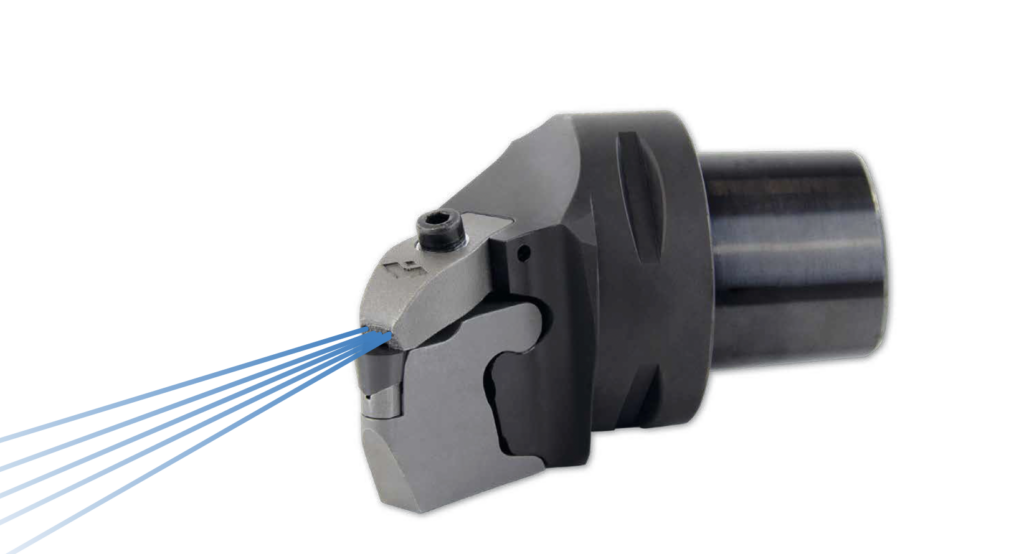
Use the screw torque listed for the system. When selecting an internally cooled tool, verify the machine’s supply route and connection compatibility.
Frequently asked questions
How do tooling technologies improve production efficiency?
The right combination of tool, holder and cutting parameters reduces vibration, extends tool life and lowers cost per part.
Should I select the turning insert and holder together?
Yes. A turning insert needs the right clamping system to deliver its full performance.
When are micro end mills and ball-nose cutters used?
They are used for precision surfaces and applications involving three-dimensional geometries.
How does a long carbide drill affect hole accuracy?
Its high rigidity reduces deflection and improves dimensional accuracy.
Why choose a material-specific insert?
The right coating and geometry extend tool life and improve cutting stability.
Technical support
Provide the material standard, machining dimensions and current tool code. We can assess options for your application together.