A new 5-axis machine: why your existing tooling list needs a rethink, from holders to ZCC-CT inserts
New machine arrived; will the tool list remain the same? Holder, body, clamping, and ZCC-CT cutting insert are re-established in four layers.
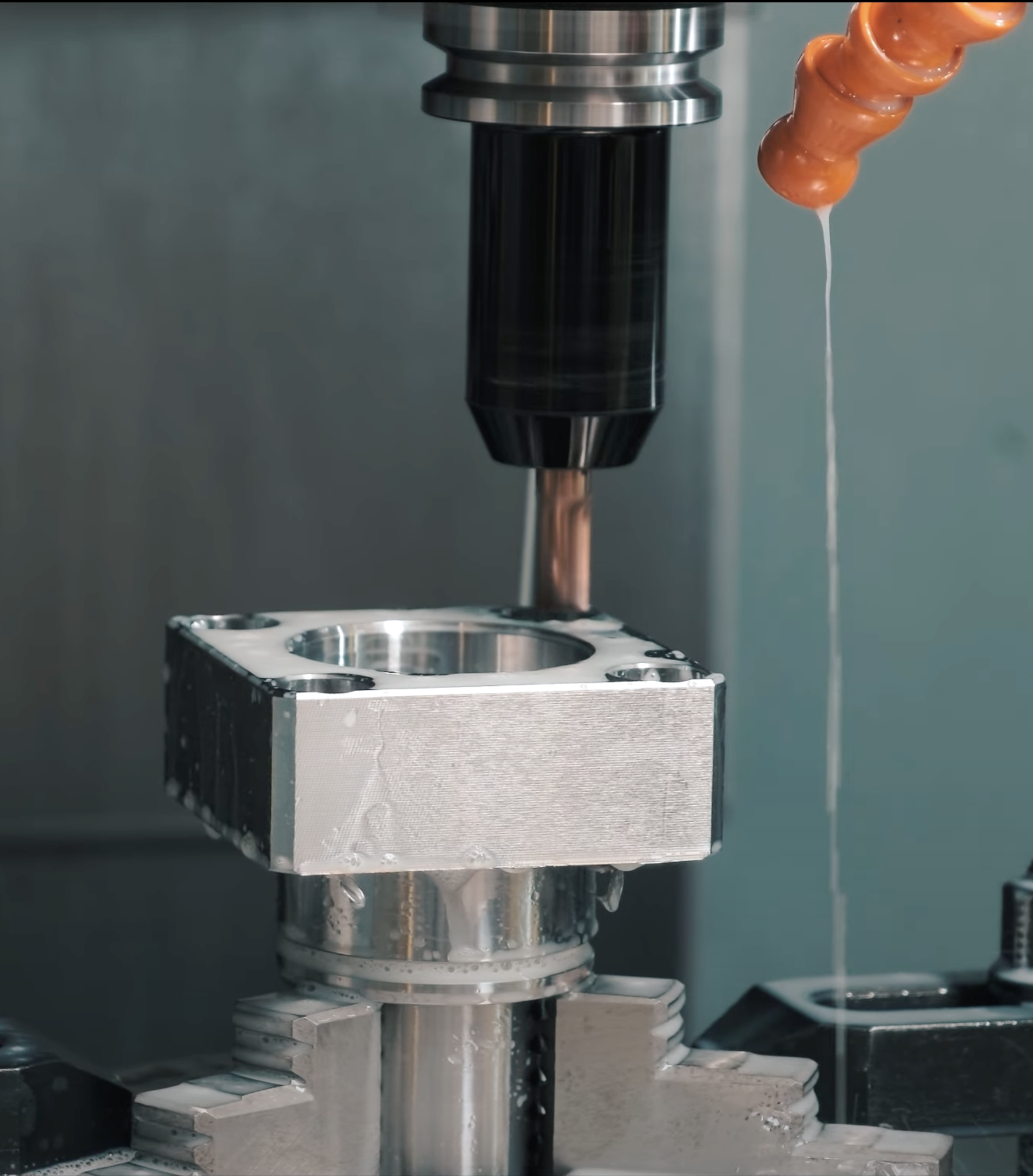
When a new five-axis CNC machine arrives, the investment does not end with the machine itself. The real question is this: Should we transfer our three-axis tools and workholding setup unchanged to the new machine? In this article five-axis tooling selection across five elements: toolholder, cutter body, workholding, insert and solid carbide tools. The aim is to configure the system for the part rather than accumulate more tools.
First published: Toksan Group LinkedIn, 7 October 2026 · Expanded edition.
1. Toolholders: look beyond the taper
One of the first items to check is the toolholder. Our own TCR TOOLS the taper is only one consideration. Holder accuracy, runout, balance and clamping rigidity determine how much of the five-axis machine’s capability reaches the part. Tools often run tilted, at high speeds and with long overhangs. Runout that went unnoticed on three axes can affect surface finish and tool life. For the differences between holder types, see our HSK63-A toolholder selection guide for further details.
2. Tool bodies: select them for each operation
Next, consider the tool body. AKKO METALWORKING TOOLS supplies indexable milling cutters, drilling tools, turning holders and boring systems. Selection depends on the operation. Review the new machine’s work rather than simply transferring a three-axis tool list. Machining five faces in one setup changes reach, corner radii and clearance between tool and holder. A tapered body or extension missing from the old list can become standard on the new machine.
3. Workholding: a vice alone does not settle the question
To make the most of five-axis machining, the workholding question goes beyond whether you have a vice. OZKAYALI Workholding Tools and Spanntechnikoffers five-axis vices, zero-point plates and risers. Assess both the part position and how quickly and repeatably the setup can be changed. Raising the part above the table gives the tool access to five faces. Zero-point clamping cuts setup changes to minutes and eliminates remeasurement on a second setup.
4. ZCC-CT cutting inserts: choose the geometry and grade as well as the size
The same reasoning applies to cutting inserts. ZCC Cutting Tools Europe (ZCC-CT), insert selection involves more than size. Even on the same milling body, GM, PM and HM geometries give different results depending on material, cutting conditions, and whether the operation is roughing, medium machining or finishing. Steel, stainless steel, cast iron and difficult alloys also require different grades.
For example, the latest-generation YBS serieswas developed specifically for ISO S materials such as nickel-based superalloys and titanium:
| Cutting grade | Key property | Typical application |
|---|---|---|
| YBS103 | Wear resistance and high-temperature stability. The catalogue specifies a dedicated carbide substrate for nickel-based materials with a new PVD coating (S10–S20). | Turning nickel-based materials (ISO S10–S20) |
| YBS203 | Balances wear resistance and fracture toughness | Turning and milling heat-resistant materials (ISO S15–S25) |
| YBS303 | Impact resistance | Milling titanium, interrupted cuts |
Grade selection by material group is explained on our superalloys and titanium page. For milling insert options, see our ZCC-CT milling inserts page.
5. End mills, ball-nose cutters, barrel cutters and drills
For solid carbide, ask whether the tool uses the freedom of movement of five axes or simply carries over a three-axis habit. One example is a tapered barrel cutter instead of a ball-nose cutter on inclined surfaces. ZCC-CT’s PGMS series of barrel cutters (Ø6–16 mm, cutting radius 40–1000 mm) is designed, according to the manufacturer, to save up to 90% machining time over a ball-nose cutter. This benefit requires machining with the axis tilted on a five-axis machine. For drilling angled faces in one setup, long, rigid drill bodies and through-coolant delivery become important.
Five-axis tooling selection: focus on what you need
Configure the whole system for the part, from holder and workholding to cutter body and insert. At Toksan we combine our own TCR TOOLS holders, AKKO tooling systems, Özkayalı workholding and ZCC-CT cutting tools to suit the application.
Commissioning checklist
| System component | Question to ask |
|---|---|
| Toolholder | Are runout and balance suitable for the new speed range? Which holder suits a long overhang? |
| Tool body | What reach and angle do the new operations require? |
| Workholding | Can the tool reach five faces? Can the setup be changed repeatably? |
| Cutting insert | Does the grade suit the material and the geometry suit the operation? |
| Solid tools | Do barrel or tapered cutters and through-coolant drills take advantage of the machine’s five axes? |
Frequently asked questions
Can I reuse my 3-axis tools on a 5-axis machine?
Yes. Review which tools can transfer unchanged. Keep existing tools for standard work and reselect holders, cutter bodies and inserts for new five-axis operations.
What do GM, PM and HM mean?
In ZCC-CT chipbreaker codes, the final letter identifies the operation: F for finishing, M for medium machining and R for roughing (e.g. GF–GM–GR). GM, PM and HM are all medium-cutting (M) geometries. The first letter identifies the chipbreaker family. Material and cutting conditions determine which to use. Inserts of the same size can therefore give different results.
What should I change first?
In many shops the first gains come from workholding and toolholding. An improved insert cannot show its benefit unless the part is accessible and held rigidly.
Send us your list of operations and we will help configure the tooling system
Share the operations planned for your new machine. We can help configure the holders, cutter bodies, workholding and cutting inserts as one system.
Related articles: HSK63-A toolholder selection guide · How to select a cutting insert? · ZCC-CT product innovations